
Non-surgical face sculpting is becoming increasingly popular among people interested in improving the appearance of their facial contours without undergoing traditional surgery. Rather than changing the facial structure through an operation, non-surgical treatments can be used to address specific concerns such as facial fullness, reduced definition, skin laxity or uneven facial proportions.
The term non-surgical face sculpting covers several different aesthetic approaches, and the most appropriate treatment depends on the individual’s facial structure, skin condition and desired outcome. Some treatments may focus on reducing the appearance of localised fullness, while others can be designed to improve definition, restore volume or enhance the appearance of firmer skin.
At Studio 88, facial aesthetic treatments can be discussed as part of an individual consultation, allowing treatment options to be considered according to each person’s specific concerns.
Before considering treatment, here is what you should know about non-surgical face sculpting, including how it works, what areas may be treated, expected results, possible side effects and how to approach your consultation.
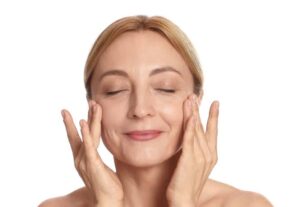
What Is Non-Surgical Face Sculpting?
Non-surgical face sculpting is a broad term for aesthetic treatments designed to improve the appearance of facial contours without conventional surgery.
Depending on the treatment selected, the goal may be to create a more defined appearance around areas such as the jawline, chin, cheeks or lower face.
Unlike surgical facial procedures, non-surgical face sculpting generally does not involve surgical incisions or the recovery associated with an operation. However, “non-surgical” does not mean that a procedure is completely risk-free.
Some techniques involve injections, while others may use energy-based technologies or other minimally invasive approaches. Because different procedures work in different ways, the treatment should be selected according to the specific concern being addressed.
A professional assessment is therefore an important part of the process.
How Does Non-Surgical Face Sculpting Work?
There is no single procedure that defines non-surgical face sculpting. Instead, several aesthetic techniques may fall under this description.
For example, one treatment may focus on the appearance of excess facial fullness, while another may address skin laxity or facial volume. Some injectable treatments can also be used to enhance or restore volume in specific areas.
The appropriate approach depends on what is creating the appearance you want to change.
This is particularly important when considering the jawline. A less defined jawline may be influenced by facial fullness, skin laxity, natural anatomy or a combination of factors. Treating only one of these concerns may not produce the desired appearance.
During a consultation, a qualified practitioner can assess the area and discuss which options may be appropriate.
What Areas Can Non-Surgical Face Sculpting Treat?
The areas considered for non-surgical face sculpting depend on the treatment being used and the individual’s facial anatomy.
Jawline
Jawline definition is one of the most common aesthetic goals associated with facial contouring. Treatment may be considered when the lower face appears less defined because of fullness, skin laxity or other factors.
Chin
The chin can have a significant effect on overall facial balance. Depending on the concern, treatment may focus on improving the appearance of chin definition or proportion.
Cheeks
Cheek contouring may involve addressing facial volume, fullness or other concerns affecting the appearance of the mid-face.
Lower Face
The lower face can be affected by changes in skin firmness, facial fullness and natural ageing. Some non-surgical treatments may be used to improve the appearance of definition in this area.
Not every procedure is suitable for every facial area, so treatment should always be based on an individual assessment.
What Are the Benefits of Non-Surgical Face Sculpting?
The potential benefits of non-surgical face sculpting depend on the procedure selected and the concern being treated.
Some people may be interested in treatment because they want to:
- Improve the appearance of facial definition
- Enhance jawline definition
- Address the appearance of facial fullness
- Improve facial balance
- Create more noticeable contours
- Address certain signs of skin laxity
- Explore aesthetic options without traditional surgery
One of the main attractions of non-surgical treatments is that they may involve less downtime than surgical procedures. However, the amount of downtime varies significantly between treatments.
It is also important to keep expectations realistic. Non-surgical procedures are not designed to completely change someone’s facial structure, and results vary between individuals.
Non-Surgical Face Sculpting vs Surgical Facial Procedures
Non-surgical and surgical facial procedures work differently.
A facelift, for example, is a surgical procedure that can address significant skin laxity by repositioning facial tissues and removing excess skin. Non-surgical treatments take a different approach and may be more suitable for specific concerns or people seeking less invasive options.
This does not mean that non-surgical face sculpting is a replacement for a facelift.
The appropriate choice depends on factors such as the degree of skin laxity, facial anatomy, treatment goals and overall health.
A consultation can help determine which options are realistic for your particular concern.
What Happens During a Non-Surgical Face Sculpting Consultation?
A consultation is an important part of the non-surgical face sculpting process.
Your practitioner may examine your facial structure and skin while discussing the specific changes you would like to see. You may also be asked about your medical history, medications, allergies, previous aesthetic procedures and other relevant information.
The consultation is an opportunity to discuss:
- Your aesthetic goals
- Which treatment may be appropriate
- Expected results
- Potential risks and side effects
- Recovery time
- Number of treatments that may be required
- How long results may last
- Whether maintenance treatments may be necessary
The American Academy of Dermatology recommends asking questions about potential side effects, expected results, treatment duration, recovery and the practitioner’s qualifications before undergoing a cosmetic procedure.
A good consultation should also help you understand when a particular treatment may not be appropriate.
When Will You See Results From Non-Surgical Face Sculpting?
The timeline for results depends on the specific procedure.
Some treatments may create an immediately noticeable change, while others may require time before the final appearance becomes apparent. Swelling or other temporary effects can also make it difficult to assess the outcome immediately after treatment.
Certain procedures may require several sessions to achieve the desired outcome.
For injectable treatments, for example, the type of product used, treatment area and individual response can influence both the appearance and duration of results. The FDA notes that the effects of many dermal fillers are temporary because the materials are gradually absorbed by the body.
Your practitioner should explain the expected timeline before treatment so that you know what changes to expect.
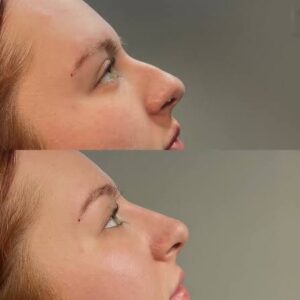
How Long Does Non-Surgical Face Sculpting Last?
There is no single answer because non-surgical face sculpting includes different treatments.
Some procedures produce temporary results and may require maintenance, while others may provide longer-lasting changes.
The longevity of treatment can depend on:
- The procedure performed
- The product or technology used
- The treatment area
- Individual response
- Natural ageing
- Changes in facial volume
- Lifestyle factors
If an injectable treatment is being considered, ask your practitioner how long the particular product is expected to last and whether repeat treatment may eventually be required.
Are There Side Effects or Downtime?
Although non-surgical procedures generally involve less intervention than surgery, they can still have side effects.
Depending on the treatment, temporary effects may include:
- Redness
- Swelling
- Bruising
- Tenderness
- Sensitivity
- Mild discomfort
The American Academy of Dermatology notes that temporary redness, swelling, tenderness and bruising can occur following dermal filler injections, with many minor effects resolving within days to two weeks.
The risks depend on the specific procedure. For example, dermal fillers carry uncommon but potentially serious risks, including accidental injection into a blood vessel. The FDA therefore recommends that fillers be administered by appropriately licensed and trained healthcare professionals.
Your practitioner should explain the relevant risks and provide appropriate aftercare instructions before treatment.
Who May Be Suitable for Non-Surgical Face Sculpting?
Not everyone is automatically suitable for every facial aesthetic treatment.
Suitability can depend on your facial anatomy, skin condition, medical history, medications, allergies and the specific procedure being considered.
During a consultation, your practitioner should determine whether the proposed treatment is appropriate and explain any factors that could increase your risk of complications.
If you have had previous cosmetic procedures, it is important to disclose them during your consultation. The same applies to medications, supplements, allergies and relevant medical conditions.
The AAD specifically recommends providing your practitioner with information about previous cosmetic treatments, medical conditions, medications, supplements and allergies before undergoing filler treatment.
How to Choose a Practitioner for Non-Surgical Face Sculpting
Choosing the right practitioner is one of the most important parts of considering non-surgical face sculpting.
Before treatment, consider the following:
Check Their Qualifications
Find out what training and professional qualifications the practitioner has for the procedure you are considering.
Ask What Treatment Is Being Recommended
You should know exactly what procedure is being proposed, what it is intended to address and why it may be appropriate for you.
Discuss Potential Risks
Ask about common side effects, possible complications and what you should do if you experience an unexpected reaction.
Ask About Expected Results
A responsible practitioner should be able to explain what the treatment can realistically achieve rather than promising a particular outcome.
Ask About Aftercare
Find out whether you will need to modify your normal activities after treatment and whether a follow-up appointment is recommended.
The AAD also recommends asking about practitioner experience, realistic outcomes, risks, recovery time and preparation before undergoing a cosmetic procedure.
Is Non-Surgical Face Sculpting Right for You?
The answer depends on your individual goals and the concern you want to address.
If your main concern is facial fullness, a different approach may be considered than if your primary concern is skin laxity or loss of facial volume. This is why choosing a treatment simply because it is popular may not produce the result you want.
The purpose of a consultation is to understand your concerns and determine which options may be suitable.
In some cases, the most appropriate recommendation may be a different aesthetic treatment or no treatment at all.
Non-Surgical Face Sculpting at Studio 88
If you are considering non-surgical face sculpting, Studio 88 provides facial aesthetic services that can be discussed according to your individual concerns and treatment goals.
Rather than approaching facial contouring as a one-size-fits-all procedure, the process should begin with understanding what you would like to improve and determining which treatment is appropriate.
Whether your concern involves facial definition, fullness, the appearance of skin laxity or overall facial balance, a consultation can help you understand your options and what you can realistically expect.
Frequently Asked Questions About Non-Surgical Face Sculpting
Does non-surgical face sculpting involve surgery?
No. Non-surgical face sculpting refers to aesthetic approaches that do not involve traditional surgical facial procedures. However, some non-surgical treatments can still be medical procedures and should be performed by appropriately qualified professionals.
Can non-surgical face sculpting define the jawline?
Some treatments may improve the appearance of jawline definition, depending on what is causing reduced definition. Facial fullness, skin laxity and natural anatomy can all affect the appearance of the jawline.
Is non-surgical face sculpting permanent?
Not necessarily. The longevity of results depends on the specific treatment used. Some aesthetic procedures produce temporary results and may require maintenance.
How many treatments will I need?
There is no standard number. The required number of treatments depends on the procedure, your individual concerns and how you respond to treatment.
Is there downtime after non-surgical face sculpting?
Downtime varies. Some procedures may involve little disruption to normal activities, while others may cause temporary swelling, bruising or tenderness.
Can non-surgical face sculpting replace a facelift?
Non-surgical treatments and facelifts work differently. A facelift is a surgical procedure designed to address more significant tissue and skin changes. Whether surgery or a non-surgical approach is appropriate depends on the individual’s concerns and treatment goals.
Final Thoughts
Non-surgical face sculpting offers a range of aesthetic approaches for people interested in improving the appearance of facial contours without traditional surgery. Depending on the treatment, it may be used to address concerns involving facial fullness, definition, volume or skin laxity.
However, there is no single treatment that works for every person. Your facial anatomy, skin condition, goals and medical history all matter when determining whether a procedure is appropriate.
Taking time to understand the treatment, expected results, potential side effects and recovery requirements can help you approach facial aesthetics with realistic expectations.
If you are considering non-surgical face sculpting at Studio 88, a consultation is the appropriate starting point for discussing your concerns and understanding which available treatment options may be suitable for you.
